Melbourne is one of those cities you shouldn’t skip when travelling around Australia. We visited at the very end of our east coast road trip and spent Christmas there, and it turned out to be a brilliant idea. Melbourne is big, buzzing and has plenty to offer for several days. The best part? A huge amount of it is completely free. From botanic gardens and free city trams to world-class galleries and a legendary coffee scene, Melbourne proves you don’t need a big budget to have a great time. In this guide we share our favourite free things to do in Melbourne, plus a few paid extras worth the splurge.
About Melbourne
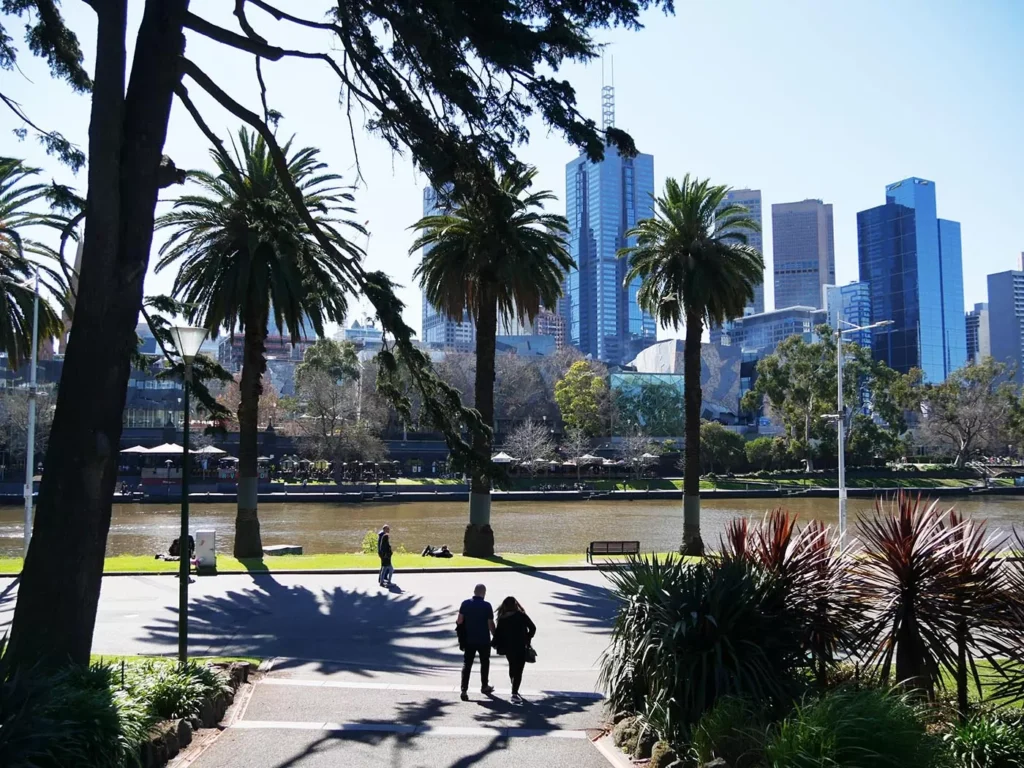
Melbourne is the capital of Victoria and sits on Australia’s southeast coast. With more than five million residents, it’s the country’s second-largest city. Melbourne is known for its coffee culture, food scene, street art and sporting culture. The Yarra River cuts through the city, forming a natural border between the CBD and southern neighbourhoods like South Yarra and Southbank. What sets Melbourne apart from other Australian cities is how distinct each neighbourhood feels: buzzing South Yarra with its long shopping strip, artsy Fitzroy, and laid-back, beachy St Kilda.
Free tram Zone: get around Melbourne for free
Here’s the first free tip, and arguably the most useful one: public transport in Melbourne’s city centre is free. A special City Circle Tram loops around downtown, and within the Free Tram Zone, the central part of the city, you don’t pay a cent. Melbourne is a big city, so this saves an enormous amount of walking. Vintage heritage trams still run on some routes too, which is a fun free experience in itself.
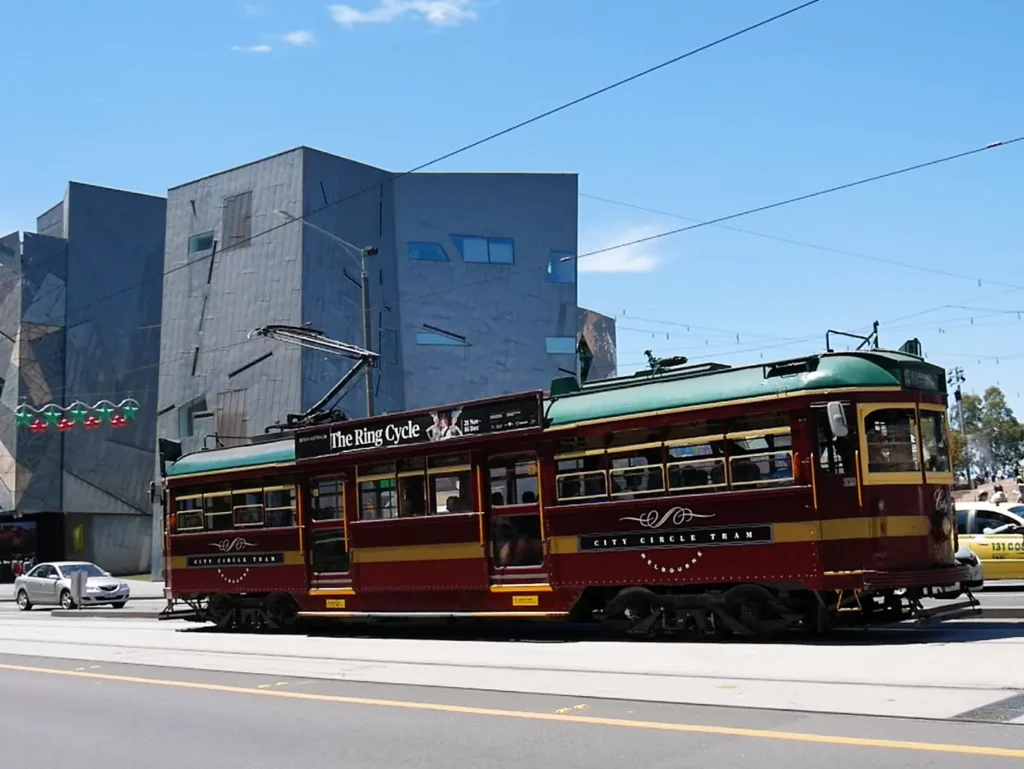
More info on where you can travel for free is available on the Public Transport Victoria website.
Royal Botanic Gardens Victoria
The Royal Botanic Gardens Victoria are large, beautifully maintained, and easily worth a few hours of your time, and entry is free. We wandered through extensively and it’s genuinely one of the prettiest green spaces right in the middle of a big city. When we visited over Christmas, the Sidney Myer Music Bowl was hosting a huge Christmas sing-along with well-known Australian artists, broadcast live on national television that evening, a special atmosphere to stumble upon.
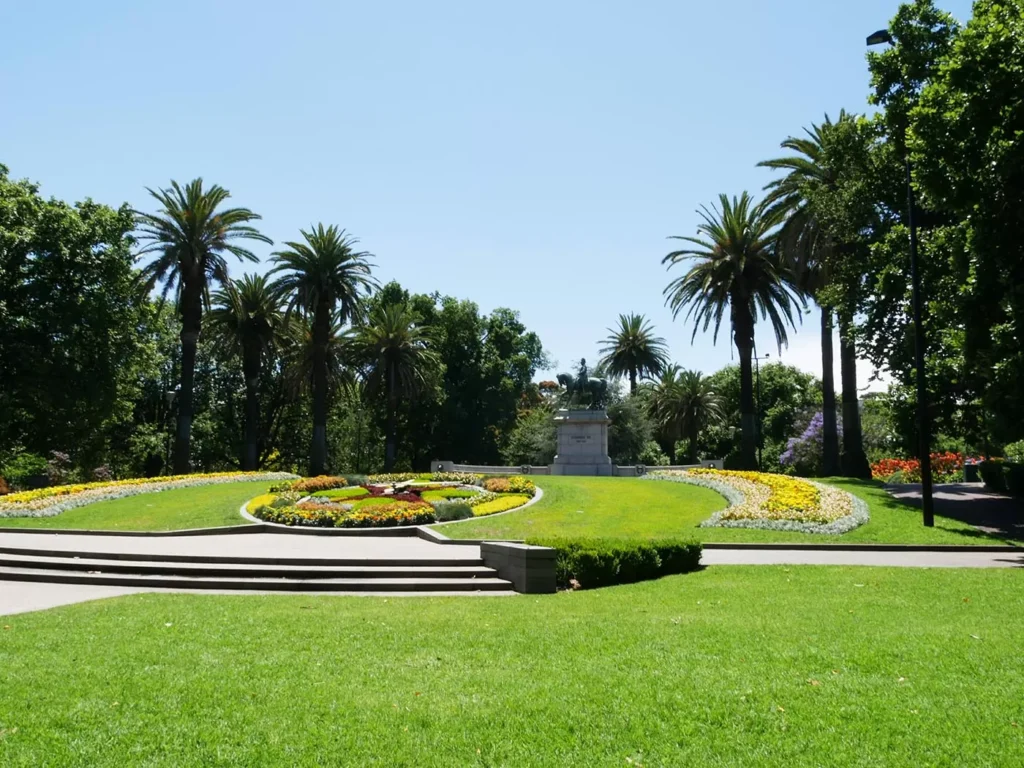
Across the river from the gardens, you’ll find Melbourne’s major sports stadiums. Rod Laver Arena (tennis), the Melbourne Cricket Ground, and Melbourne Arena all sit within Olympic Park, which dates back to the 1956 Olympic Games. Plenty has been added since, but the concentration of elite sporting venues in one spot is impressive.
National Gallery of Victoria (NGV) – free entry
Melbourne has a museum for every taste, but the standout is the National Gallery of Victoria (NGV), open daily from 10am to 5pm with free general admission (ticketed temporary exhibitions may have a separate entry fee). The permanent collection holds more than 70,000 artworks, from European masters like Monet, Picasso and Rembrandt to an impressive Australian and Asian art wing.
Flinders Street Station
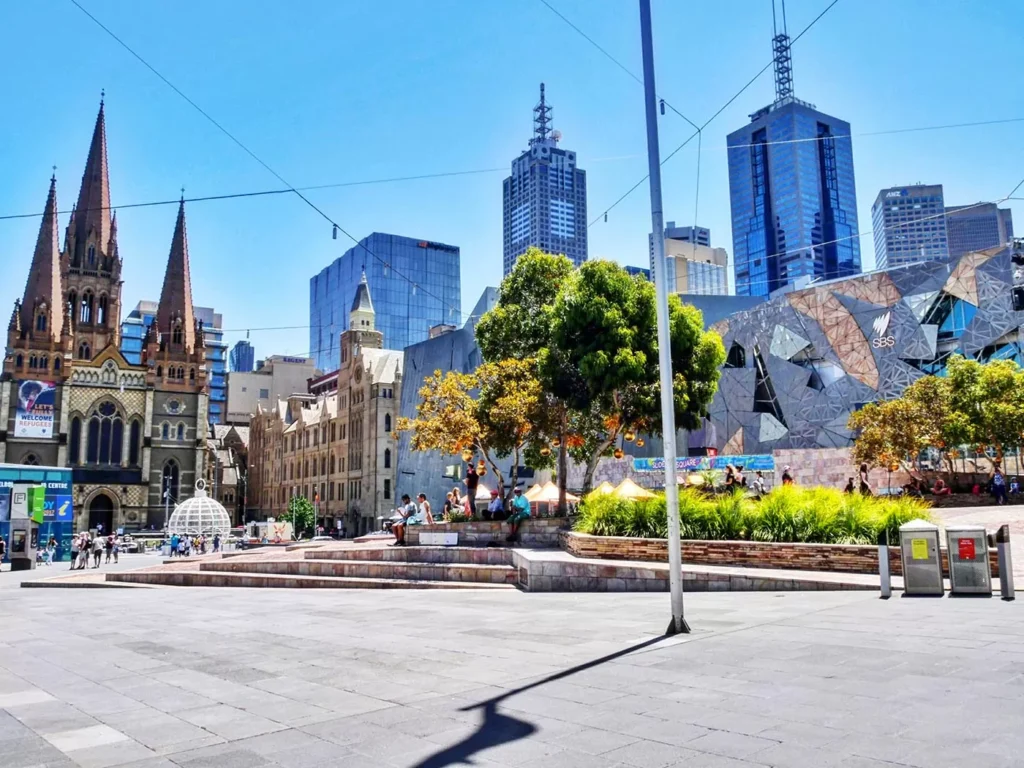
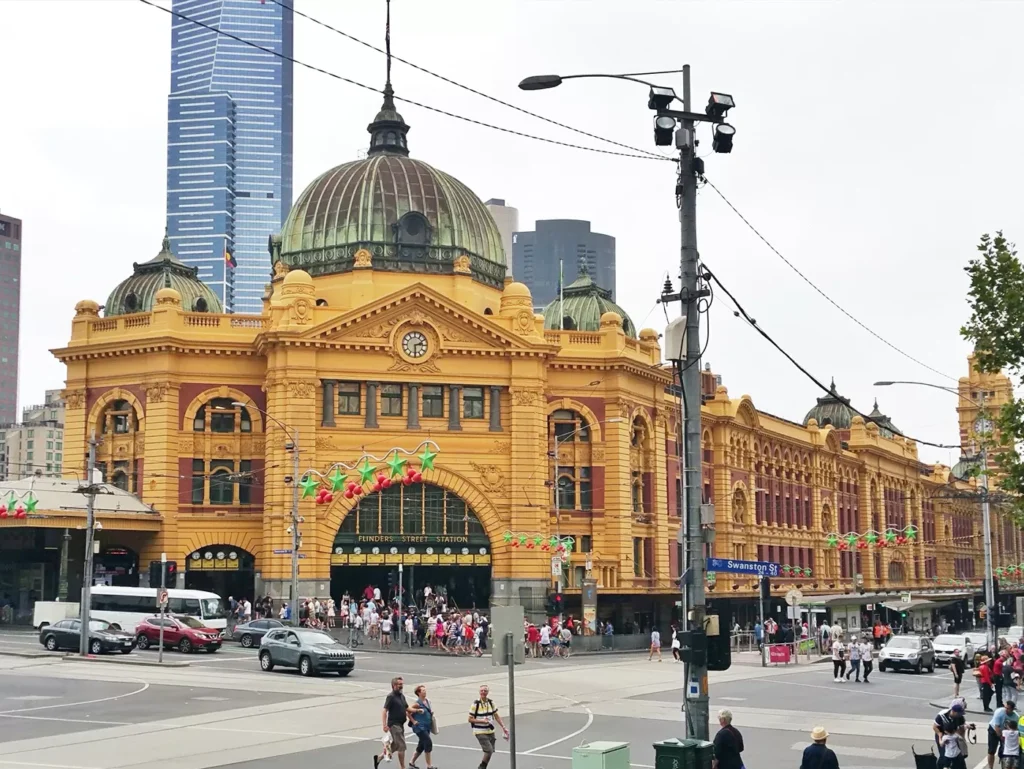
Flinders Street Station is one of Melbourne’s most recognisable buildings and worth a visit even if it’s just to admire the exterior, free, of course. Dating back to 1910, it’s a beautiful example of early-20th-century architecture. The square out front, with St Paul’s Cathedral in the background, is one of the prettiest corners of the city.
The Arcades of Melbourne
One thing that stood out to us in Melbourne: the covered arcades. These are shopping passages, but a lot more beautiful than what you’re probably used to. The Royal Arcade is a great example. Keep an eye out for Gog and Magog, the two historic figures that strike the hour. The arcades span multiple levels and sometimes multiple city blocks, so it’s easy to lose your way, but that’s part of the charm, and it costs nothing to explore.
Queen Victoria Market
Queen Victoria Market has been running for more than 140 years and is still the beating heart of the city. With over six hundred traders, it’s the largest open-air market in the Southern Hemisphere. You’ll find fresh fruit and vegetables, meat, fish, cheese, plus clothing, souvenirs and local products. Browsing the market itself is free, you only pay for what you buy. On chilly mornings (and Melbourne can get surprisingly cold) it’s lovely to grab a coffee and wander around slowly. There’s a night market on Thursday evenings in summer, but the market is lively enough during the day too. Go early for the best atmosphere and the freshest produce.
The market is open Tuesday, Thursday and Friday from 6am to 3pm, Saturday from 6am to 4pm, and Sunday from 9am to 4pm. Note: it’s closed on Mondays and Wednesdays. More information on the Queen Victoria Market website.
St Kilda: beach, esplanade and Sunday market
St Kilda is Melbourne’s beach neighbourhood, about six kilometres from the CBD. The beach itself isn’t Australia’s finest, but the vibe of the suburb absolutely is, and everything here is free to enjoy. Walk along the Esplanade for bay views, browse the well-known Sunday arts market along the boulevard, or simply relax on the sand. The most photographed spot in St Kilda is Luna Park’s entrance, an old amusement park with an iconic, slightly eerie grinning face (rides themselves aren’t free, but the entrance makes a great photo stop). In the evening, Acland Street is the place for a pastry, the patisseries there are legendary among locals.
Free street art and laneways: Fitzroy & Collingwood
Fitzroy and Collingwood are lively neighbourhoods with great restaurants, street art and a local feel that’s harder to find in the CBD. Wandering the laneways here to spot ever-changing street art murals costs nothing and is one of the best free things to do in Melbourne if you love photography.
Southbank riverwalk
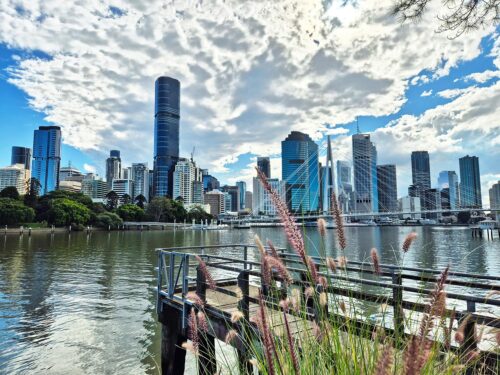
Southbank, along the river, is a great spot for an evening stroll, completely free. There are restaurants, bars, and views over the Melbourne skyline. Southbank is the perfect place to end the day, even if you just window-shop and take in the view.
Melbourne Cricket Ground (MCG)
The MCG is Australia’s largest stadium. While guided tours are ticketed, simply walking around the Olympic Park precinct and admiring the stadium from outside is free, worth doing if you have any interest in cricket or Australian sport.
Coffee culture (worth the splurge)
Melbourne is known as one of the best coffee cities in the world, and you’ll notice it immediately. There are countless coffee spots across the city, from small neighbourhood cafés to specialty roasters. It’s not the cheapest city, but if you’re after a genuinely good coffee, Melbourne rarely disappoints. At some popular spots, locals queue up in the morning, Australians are early risers and like to start the day on time.
Worth paying for: day trips from Melbourne
Once you’ve covered the free highlights, a couple of paid day trips are genuinely worth the splurge:
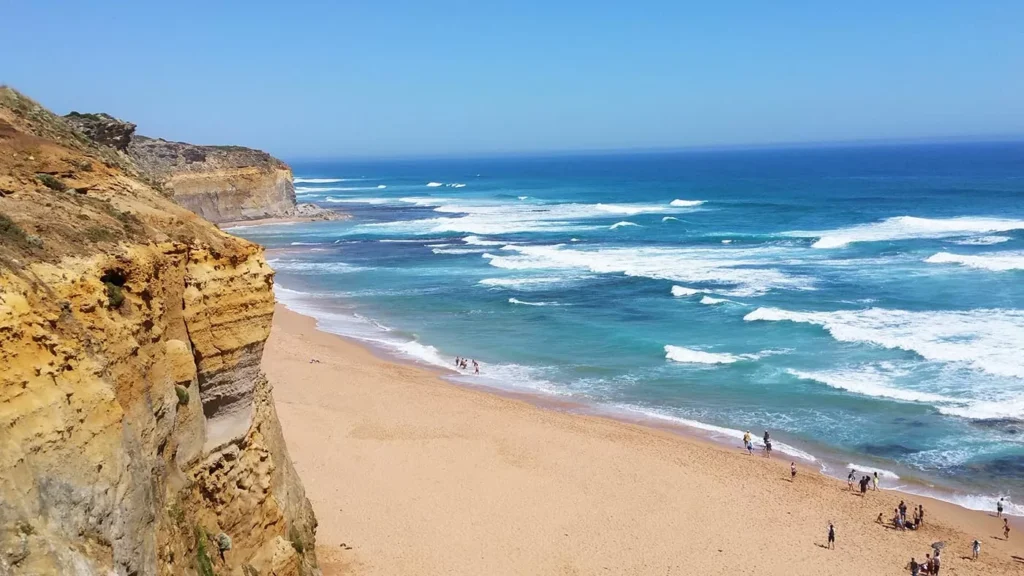
Great Ocean Road. If you have a few days in Melbourne, a day trip to the Great Ocean Road is a must. We booked a bus tour from Melbourne with pickup right at our apartment. The highlight of the route is the Twelve Apostles, a group of rock formations rising out of the sea, of which eight now remain standing. Touristy, sure, but the scenery makes up for it. There are also stops where you might spot koalas dozing in the eucalyptus trees. 👉 Browse Great Ocean Road tours via GetYourGuide
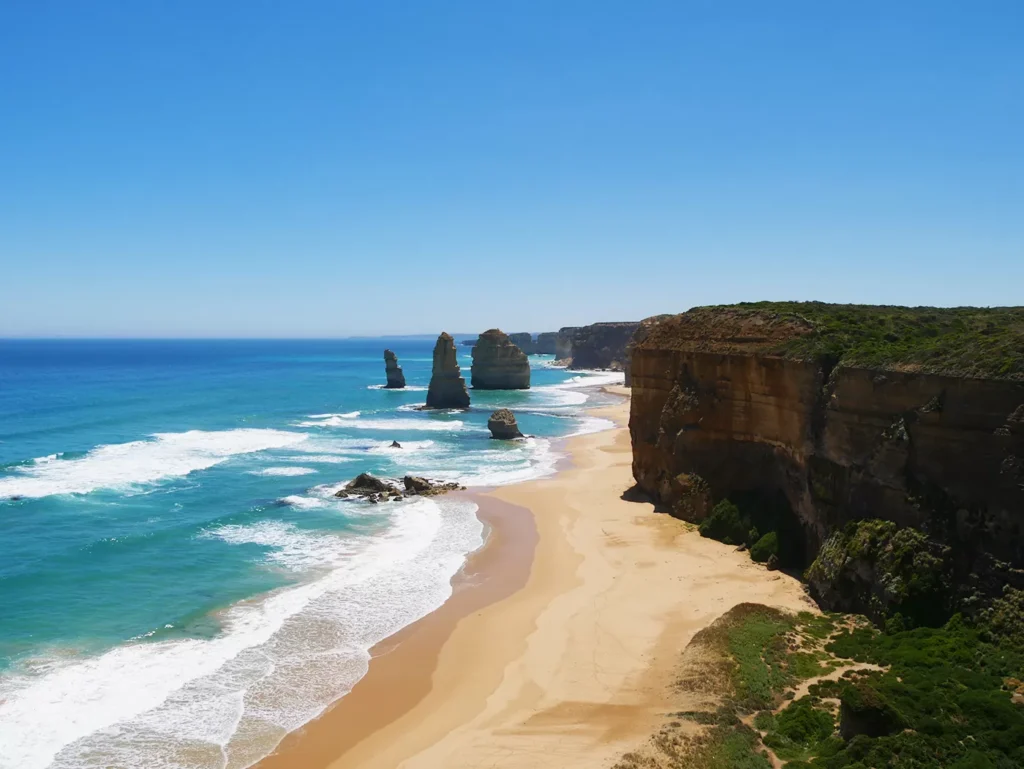
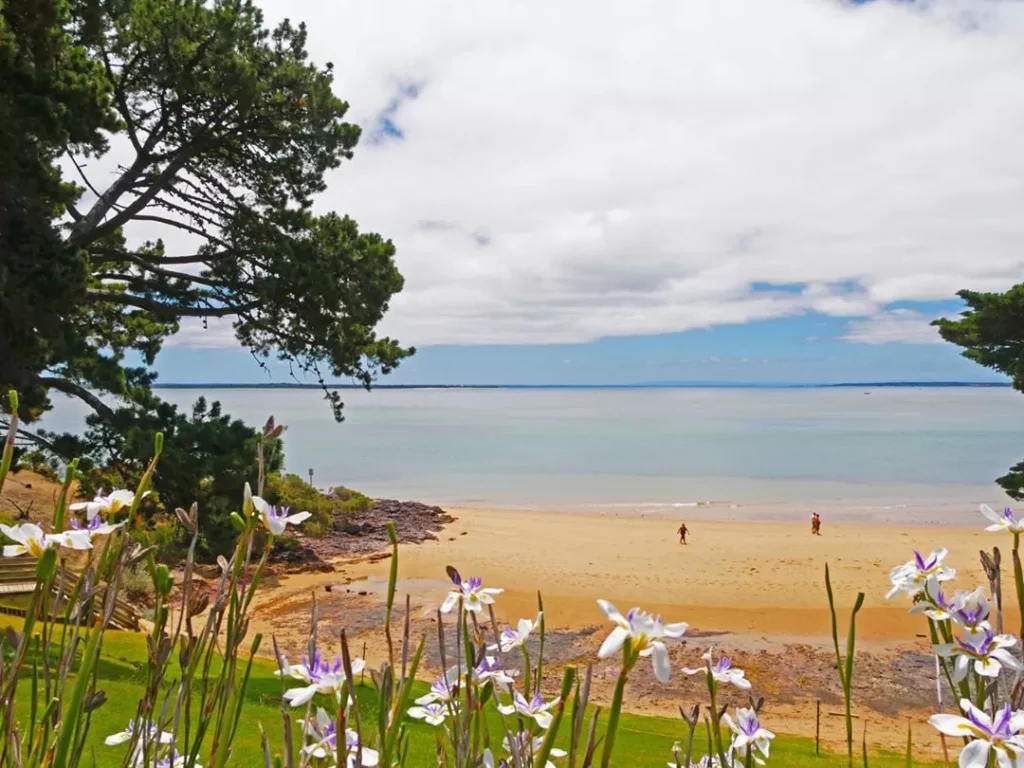
Phillip Island. About 140km southeast of Melbourne, Phillip Island makes an easy day trip or stopover if you’re heading toward the east coast. It’s best known for the Penguin Parade, where little penguins waddle up the beach at dusk. Photography isn’t allowed (flashes disturb the penguins), which somehow makes the experience feel even more authentic. It can get genuinely cold on the viewing stands, so bring a warm layer. 👉 Book your Phillip Island tour via GetYourGuide
Practical tips for visiting Melbourne
Getting there. Melbourne has an international airport, Melbourne Airport (Tullamarine), about 25km from the CBD. The SkyBus runs directly from the airport into the city centre.
Getting around. Trams are the easiest way to get around Melbourne. Get a myki card if you plan to travel outside the Free Tram Zone, within the zone, it’s free.
Best time to visit. Melbourne is famous for its unpredictable weather, “four seasons in one day” is a local saying that genuinely holds up. Spring (September–November) and autumn (March–May) are generally the most pleasant. Summer (December–February) can get very hot, but it’s also when the city is at its liveliest.
How many days do you need? Two to three days covers the main sights and leaves time for a day trip to the Great Ocean Road. If you’d rather take it slow, plan for a bit longer.
Where to stay. Melbourne has good options for every budget. The CBD is convenient if you want everything within walking distance. South Yarra is a popular choice for a quieter base that’s still close to the centre, with great tram links, plenty of restaurants, and the Royal Botanic Gardens within walking distance. Southbank suits travellers who want river views and easy access to the major cultural institutions. St Kilda is ideal if you’re after a beachy, neighbourhood feel. 👉 Compare hotels in Melbourne on Booking.com
Frequently Asked Questions about Melbourne
Is Melbourne expensive? Melbourne is one of Australia’s pricier cities, hotels and restaurants are comparable to Sydney. The upside is that many of the best museums and attractions in the CBD are free, including the National Gallery of Victoria and the Royal Botanic Gardens. The free city tram also saves a lot on transport costs.
How far is Melbourne from Sydney? Melbourne and Sydney are about 880km apart, roughly a 90-minute flight. If you’d rather road trip it, the Hume Highway drive takes around nine hours. The train takes about eleven hours and runs a scenic route through inland Victoria and New South Wales, a relaxed way to see the countryside.
Is Melbourne better than Sydney? The eternal Australian debate, and honestly there’s no right answer, it depends what you’re after. Sydney has the iconic landmarks: the Opera House, Harbour Bridge and Bondi Beach. Melbourne wins on culture, coffee, restaurants, street art and nightlife. We visited both on our east coast trip and would say: Sydney is the city everyone knows and wants to see, Melbourne is the city you’ll fall for the longer you stay. If you’re doing the east coast, visit both.
What tours are worth booking in Melbourne? The Great Ocean Road is by far the most popular day tour from Melbourne, and deservedly so, in a single day you’ll see the coastline, the Twelve Apostles, and have a good chance of spotting wild koalas. Phillip Island is another great option, especially for the evening Penguin Parade. If you’d rather stay in the city, laneway and food tours through the market neighbourhoods are a great way to get to know Melbourne fast. 👉 Browse tours and activities in Melbourne via GetYourGuide